
Creating a Relaxing Bedroom Space
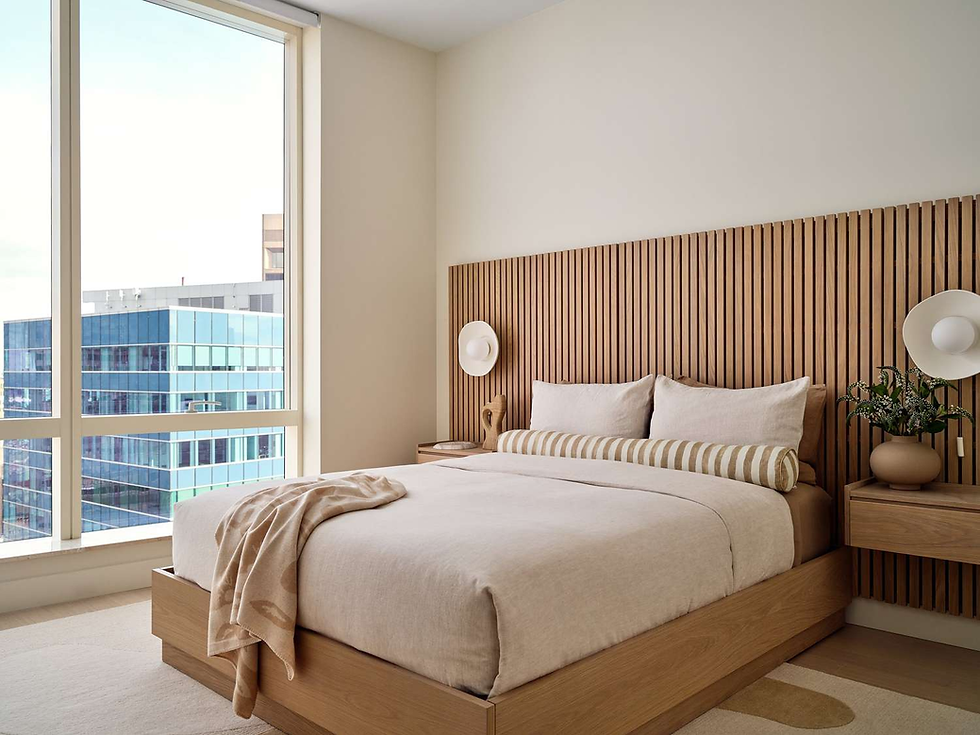
Your bedroom should be more than just a place to sleep. It should be your personal retreat, a space where you can unwind, recharge, and escape daily stress.
If your room feels chaotic or uncomfortable, small changes can transform it into a calming sanctuary.
🌙 1. Choose Calming Colors
Color plays a huge role in relaxation.
Best choices:
Soft neutrals (beige, white, gray)
Cool tones (light blue, sage green)
Warm earth tones
👉 Avoid overly bright or harsh colors that can feel stimulating.
🛌 2. Invest in Comfortable Bedding
Your bed is the centerpiece of your room.
✔ Focus on:
Quality mattress
Soft sheets and pillows
Layered blankets for comfort
👉 Comfort directly affects your sleep quality and mood.
💡 3. Use Soft Lighting
Lighting can make or break the vibe.
Best options:
Warm white bulbs
Bedside lamps
Indirect or ambient lighting
👉 Avoid harsh overhead lights before bedtime.
🌿 4. Add Natural Elements
Nature helps create a soothing environment.
✔ Add:
Indoor plants
Wooden furniture
Natural textures (linen, cotton)
👉 These elements reduce stress and improve air quality.
🧹 5. Keep It Clean & Clutter-Free
A cluttered bedroom can:
Increase anxiety
Disrupt sleep
Make the space feel overwhelming
✔ Tip: Keep surfaces clear and organize essentials only.
🔇 6. Reduce Noise & Distractions
To improve rest:
Use curtains or rugs to absorb sound
Keep gadgets to a minimum
Create a quiet, distraction-free zone
👉 Your bedroom should signal your brain: “It’s time to rest.”
📵 7. Limit Technology
Too much screen time:
Disrupts sleep cycles
Keeps your brain active
✔ Try:
No phones 30 minutes before bed
Charging devices outside the room
🧠 Final Thoughts
Creating a relaxing bedroom doesn’t require a full renovation.
Small changes like:
Softer lighting
Better bedding
Less clutter
can turn your room into a peaceful escape from daily stress.
👉 The goal is simple:Make your bedroom a place where your mind and body can truly rest.


Comments