
Why Your Home Is Not Selling and How to Attract More Buyers
Few things are more frustrating than cleaning the house before every showing, leaving for an hour, and then hearing nothing. No offer. No helpful feedback. Maybe not even a second look.
If your home has been sitting with little interest, it doesn’t mean it’s a bad house. It usually means something is getting in the way of buyers seeing its value. The good news is that most of those things can be fixed.

Buyers may be reacting to the price before they ever visit
Pricing is often the biggest reason a home doesn’t get offers. Buyers compare your home to similar listings in seconds. If nearby homes have more updates, better photos, or lower prices, yours may get skipped before anyone schedules a showing.
That doesn’t mean you need to panic and slash the price right away. Start by looking at the full picture.
Ask these questions:
How does your price compare with similar homes that recently sold?
Are homes like yours going under contract quickly, or are they sitting too?
Have you had showings but no offers?
Have you had very few showings at all?
Those answers tell different stories. No showings often points to price, photos, or listing exposure. Showings with no offers often points to condition, layout, or buyer objections.
A small price adjustment can sometimes bring your listing into a more active search range. For example, if buyers are searching up to $400,000 and your home is listed at $405,000, you may be missing a large group of people.
A real estate professional can help you compare your home against recent sales, pending listings, and current competition. Online estimates can be useful starting points, but they don’t always account for condition, upgrades, lot differences, or local demand.
The home may not be showing as well as it could
Buyers don’t just look at square footage and bedrooms. They notice light, smell, clutter, chipped paint, pet items, overflowing closets, and whether the home feels easy to live in.
That may feel personal, but it isn’t. Buyers are trying to picture their own life in the space. Your job is to make that as simple as possible.
Start with the basics:
Clear kitchen counters except for one or two simple items
Remove extra furniture that blocks walkways
Pack away personal photos and highly specific decor
Open blinds and curtains before every showing
Replace burned-out bulbs with matching warm light
Clean windows, mirrors, baseboards, and appliances
Fix small issues like loose handles, squeaky doors, and chipped trim
Staging doesn’t have to mean renting a house full of furniture. Sometimes it’s just rearranging what you already own.
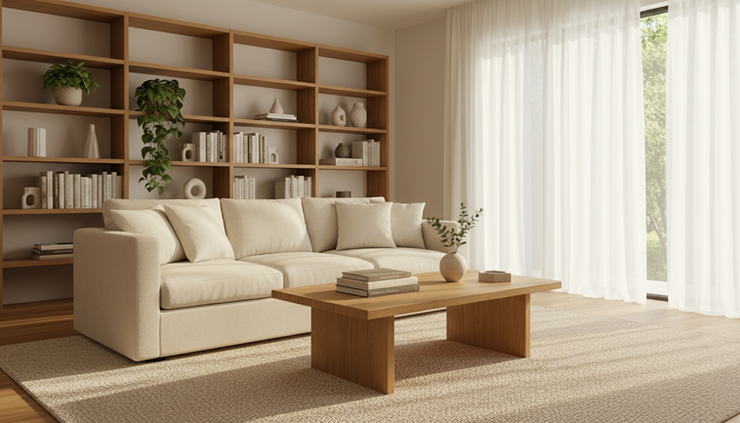
Think of each room as needing one clear purpose. A dining room used as a storage area can confuse buyers. A spare bedroom with a bed and a small nightstand is easier to understand than a room packed with boxes.
If your home is vacant, consider adding a few soft touches. Empty rooms can feel cold and smaller than they are. Even simple staging in the living room, kitchen, and primary bedroom can help buyers understand scale.
Curb appeal can decide whether buyers feel excited or unsure
The outside of your home sets the tone. Before buyers see your kitchen or primary suite, they’ve already looked at the lawn, porch, siding, front door, driveway, and landscaping.
You don’t need a major exterior makeover. Focus on clean, cared-for, and welcoming.
Good curb appeal projects include:
Mowing and edging the lawn
Trimming overgrown shrubs
Adding fresh mulch
Power washing the walkway, porch, or siding if needed
Painting or cleaning the front door
Replacing a worn doormat
Adding simple potted plants near the entrance
Cleaning gutters and removing cobwebs
Making sure house numbers are visible
Small exterior repairs matter too. A buyer may see peeling paint or a broken fence latch and wonder what else hasn’t been maintained.
The goal is simple: make the home feel cared for before the buyer steps inside.
Your online listing may not be doing enough work
Most buyers meet your home online first. If the photos are dark, the description is thin, or the best features are buried, your listing may not earn a showing.
Photos matter a lot. They should be bright, level, and taken after cleaning and staging. The first photo should usually be the strongest exterior shot or a warm, inviting main living space. Avoid photos that show clutter, closed blinds, toilet lids up, messy garages, or dark corners.

Your listing description should also help buyers understand what makes the home worth seeing. Instead of a long list of generic features, highlight what feels useful in everyday life.
For example, mention things like:
A fenced yard that works well for pets or outdoor dining
A finished basement that adds flexible living space
A quiet cul-de-sac location
Recent roof, HVAC, flooring, or appliance updates
Storage, parking, or workshop space
Nearby parks, schools, commuter routes, or shopping, when accurate
Don’t oversell or stretch the truth. Buyers will notice when they visit. Clear and honest beats flashy every time.
If your home has been listed for a while, refresh the photos after making improvements. Updating the main image can also help the listing feel more current to buyers who have already scrolled past it.
Feedback can show you what to fix next
If people are touring the home but not making offers, feedback is gold. You may hear comments about price, layout, smell, outdated finishes, road noise, or lack of storage. Some feedback will be useful. Some won’t. Look for patterns.
If three buyers mention the same issue, pay attention.
You can respond in a few ways:
Fix the issue if it’s affordable
Adjust the price if the issue can’t be changed
Improve how the listing explains the home
Change staging to reduce the concern
Offer a credit when appropriate and allowed in your situation
This is where an experienced agent can be especially helpful. They can separate one-off opinions from real market signals. They can also suggest whether it makes more sense to repaint, restage, adjust price, improve photos, or wait based on local activity.
Selling a home is part strategy, part timing, and part presentation. You don’t have to guess your way through it.
FAQ
How long should I wait before changing the price?
It depends on your local market, but if you’ve had little activity after the first couple of weeks, it’s worth reviewing the price and listing performance. If nearby homes are getting offers and yours isn’t, the price may need attention.
Should I renovate before selling?
Not always. Big renovations can cost more than they return. Focus first on cleaning, repairs, paint, lighting, curb appeal, and staging. Ask a real estate professional which updates buyers expect in your area.
What if buyers don’t like my home’s layout?
You can’t change the floor plan easily, but you can help buyers understand how to use the space. Clear furniture placement, simple room purposes, and strong photos can make an unusual layout feel more practical.
Are professional photos worth it?
In most cases, yes. Since buyers often decide online whether to visit, clear and bright photos can make a real difference. Even a great home can be overlooked if the photos don’t show it well.

A slower sale does not mean you’re stuck
If your home isn’t attracting offers, take it one step at a time. Review the price, improve the presentation, strengthen curb appeal, update the listing, and listen for patterns in buyer feedback.
Most homes don’t need a dramatic change. They need the right few changes. With a clear plan and good advice, you can make your home easier for buyers to notice, tour, and seriously consider.

Comments